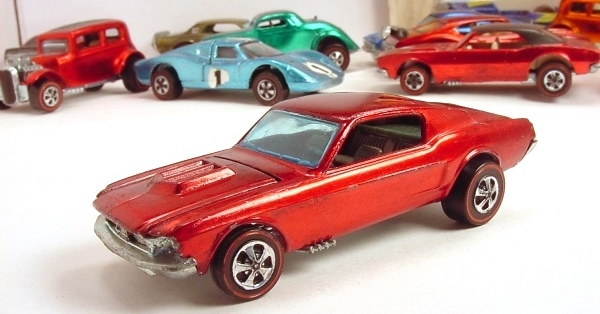
Few toy brands have achieved the cultural impact and longevity of Hot Wheels. Since its debut in 1968, the brand has transformed from a bold competitor in the die-cast car market into a global phenomenon spanning toys, collectibles, entertainment, digital media, and real-world automotive culture.
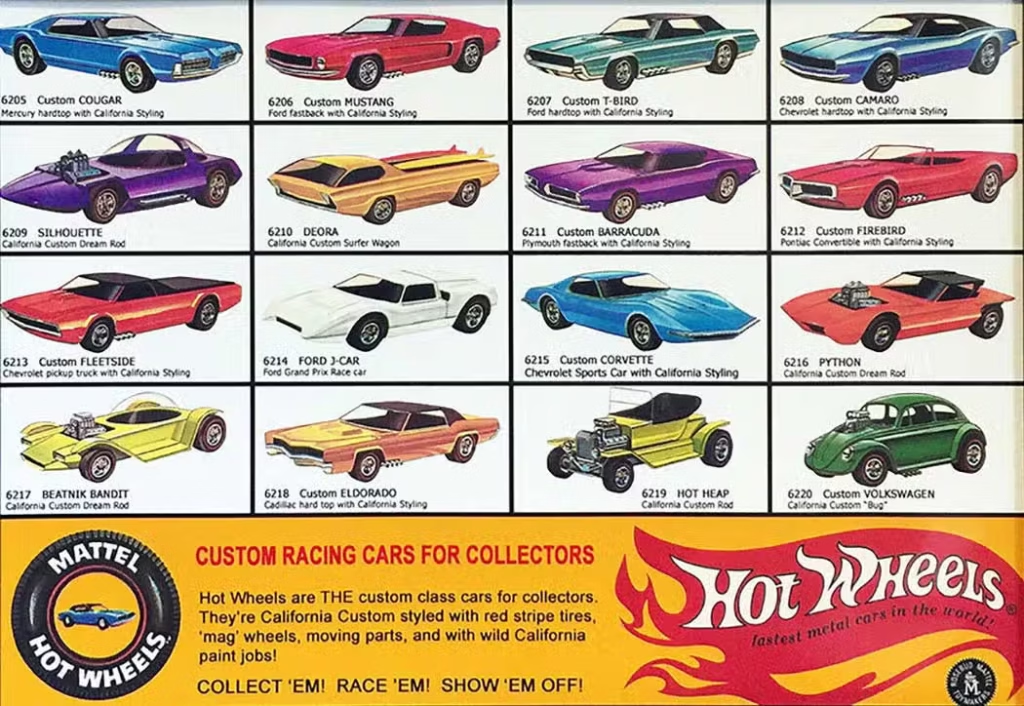
Hot Wheels was introduced on May 18, 1968, by Mattel. At the time, the die-cast market was dominated by Matchbox, which focused on realistic, small-scale vehicles. Mattel saw an opportunity to disrupt the industry by designing toy cars that were faster, flashier, and more performance-oriented.
The brand’s creation was led by a small but visionary team. Elliot Handler, co-founder of Mattel, wanted toy cars that captured the excitement of California’s custom car culture. To bring authenticity to the designs, Mattel hired Harry Bentley Bradley, a former General Motors automotive designer. Bradley brought real automotive styling principles into the toy world, helping create cars that looked like scaled-down hot rods.
The first release, known as the “Original 16,” included models such as the Custom Camaro, Custom Mustang, Custom Barracuda, and Custom Corvette. These cars featured:
The focus wasn’t just appearance — it was performance. Hot Wheels cars were built to race.
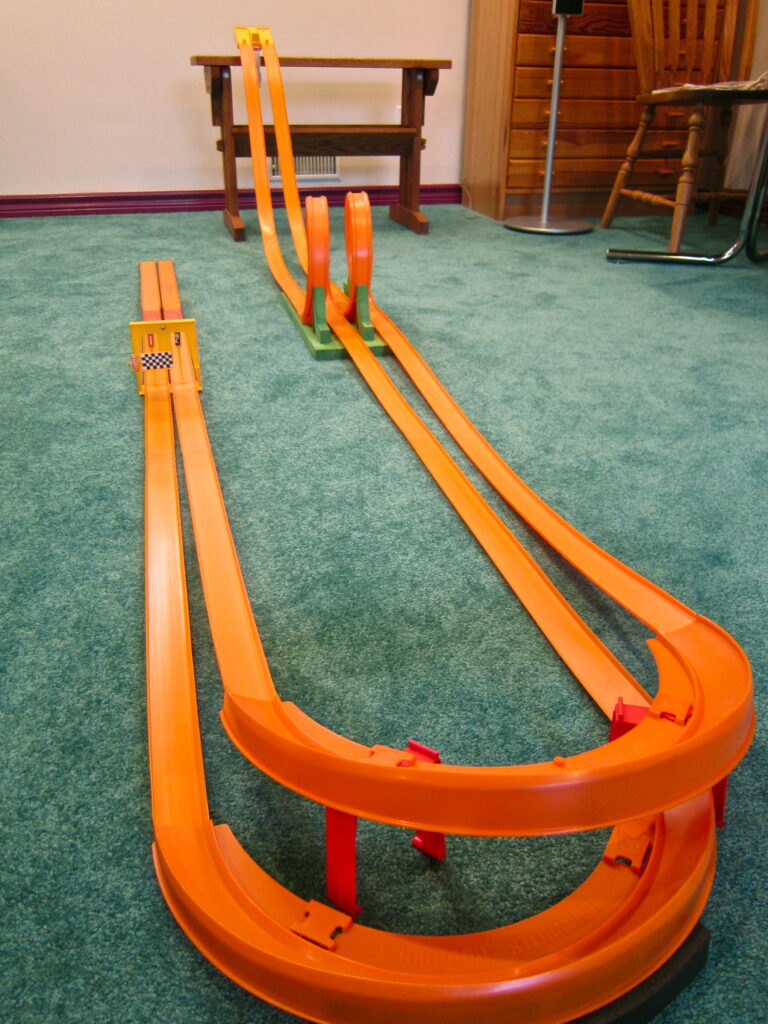
One of Hot Wheels’ greatest innovations was its modular bright orange track system. Unlike competitors, Hot Wheels created an entire racing ecosystem, including:
The track system turned toy cars into high-speed racing machines and allowed children to build elaborate layouts at home.
In 1969, Hot Wheels introduced the “Snake and Mongoose” drag racing sets, inspired by real-life racers. The brand also expanded into fantasy cars — vehicles designed purely from imagination — which allowed for more extreme styling and creative freedom.
By the early 1970s, production began shifting overseas to Hong Kong and later Malaysia. During this period, design changes occurred, including the transition from redline wheels to blackwall tires, marking the end of the original redline era in 1977.
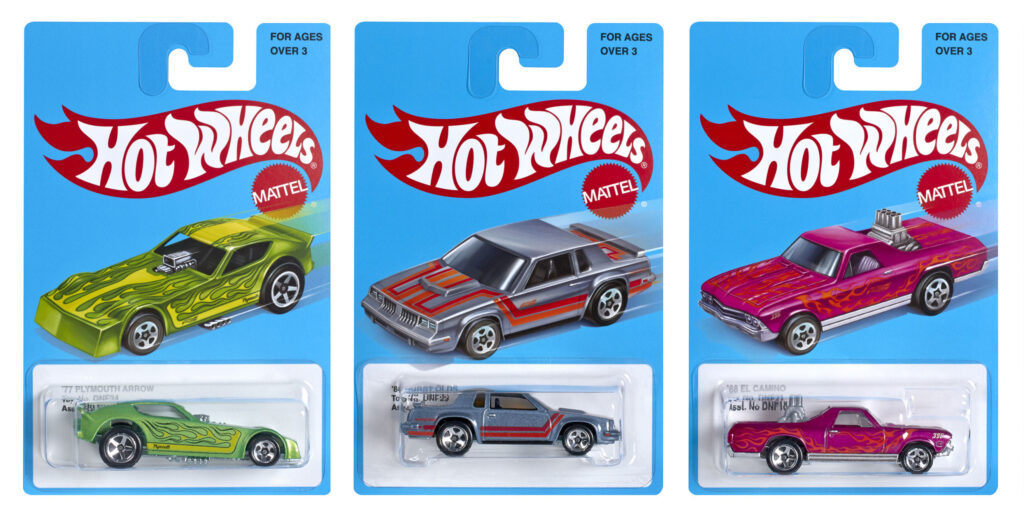
The 1980s were a period of reinvention. As toy trends changed, Hot Wheels adapted by:
During this decade, partnerships with major car manufacturers became increasingly important. Hot Wheels produced licensed models from brands such as:
These collaborations bridged the gap between toy enthusiasts and automotive fans, solidifying Hot Wheels’ place in car culture.
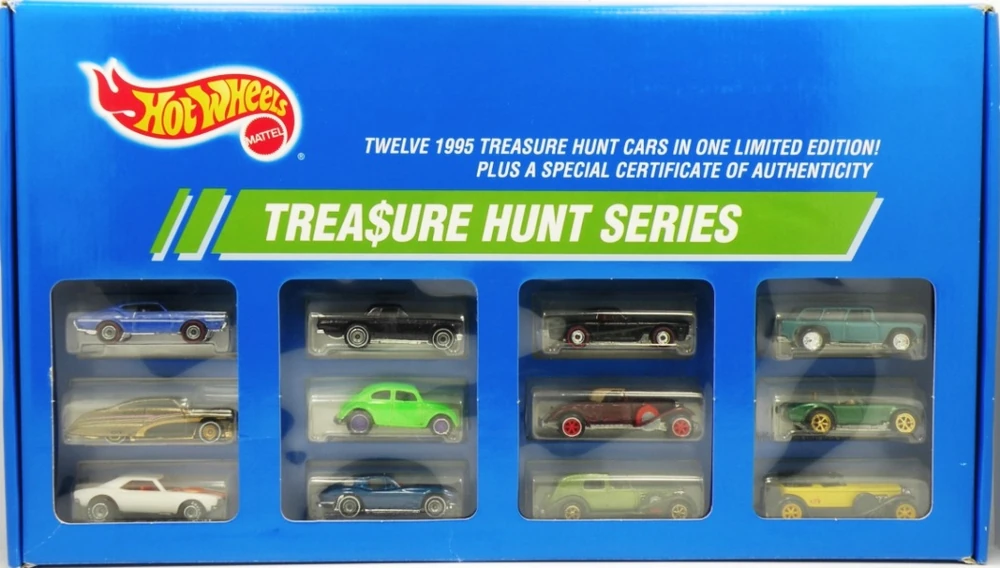
The 1990s marked the explosion of adult collectors. What began as a children’s toy evolved into a serious hobby.
In 1995, Hot Wheels introduced the Treasure Hunt series — limited-production vehicles randomly inserted into standard assortments. These rare finds became highly sought after and increased the thrill of collecting.
Special editions, anniversary sets, and detailed premium lines were introduced. Some original 1968–1969 redline models began selling for thousands of dollars at auction, establishing Hot Wheels as a legitimate collectible market.
During this time, the brand also expanded into video games, animated series, and promotional collaborations.
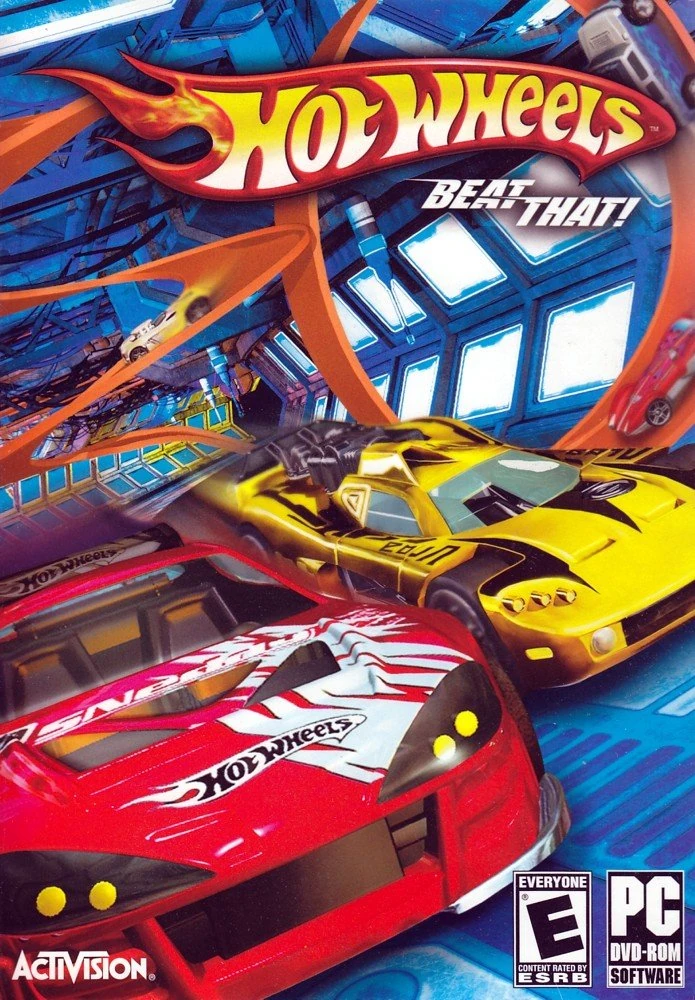
As technology advanced, so did Hot Wheels. The 2000s saw the brand move into:
Hot Wheels partnered with the blockbuster film franchise The Fast and the Furious, releasing die-cast versions of iconic movie cars. These collaborations connected Hot Wheels with a new generation of automotive fans.
Mattel also introduced higher-end collector lines such as Hot Wheels Elite and detailed 1:18 scale models aimed at adult enthusiasts.
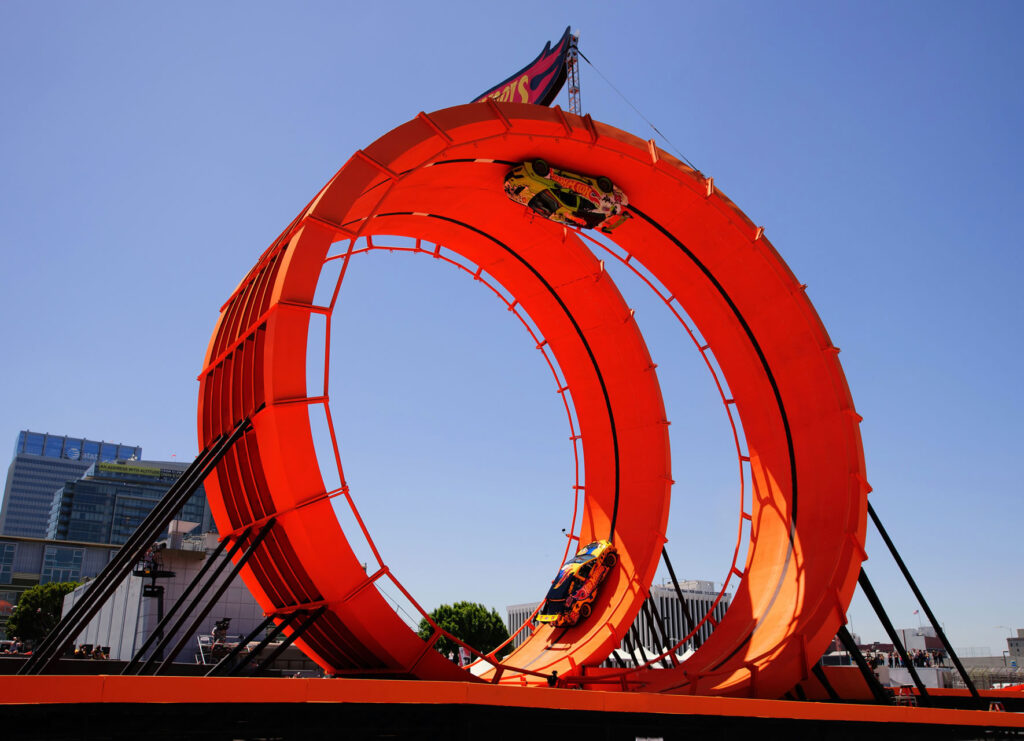
Hot Wheels became known for massive real-world stunt builds. In 2012, the company constructed a full-scale double vertical loop in Los Angeles, earning recognition from Guinness World Records.
Other stunts included:
The brand also embraced YouTube and social media, reaching millions of fans globally.
In 2018, Hot Wheels celebrated its 50th anniversary, highlighting five decades of innovation and cultural influence.
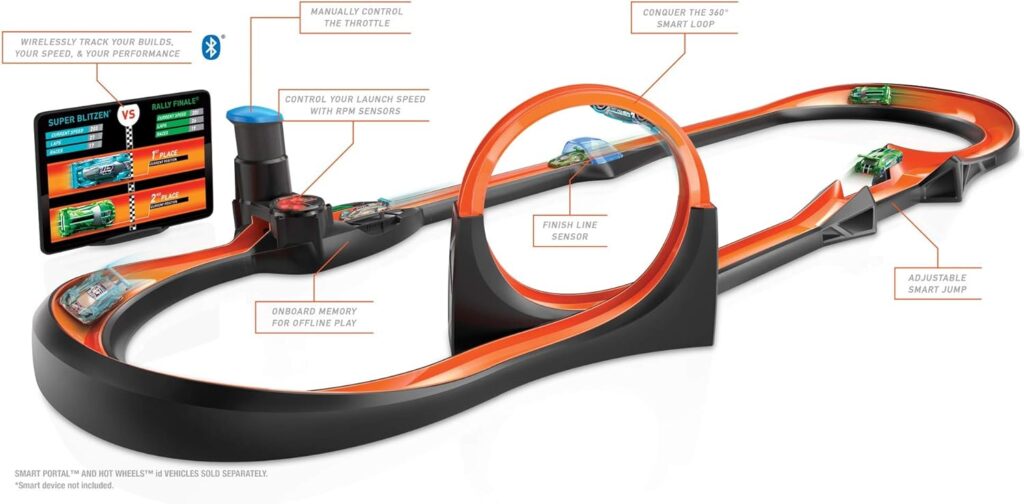
Today, Hot Wheels remains one of the most successful toy brands in history. More than 8 billion cars have been produced since 1968, making it the best-selling toy vehicle line worldwide.
The brand continues to innovate through:
Hot Wheels remains a flagship brand under Mattel and is sold in over 150 countries.
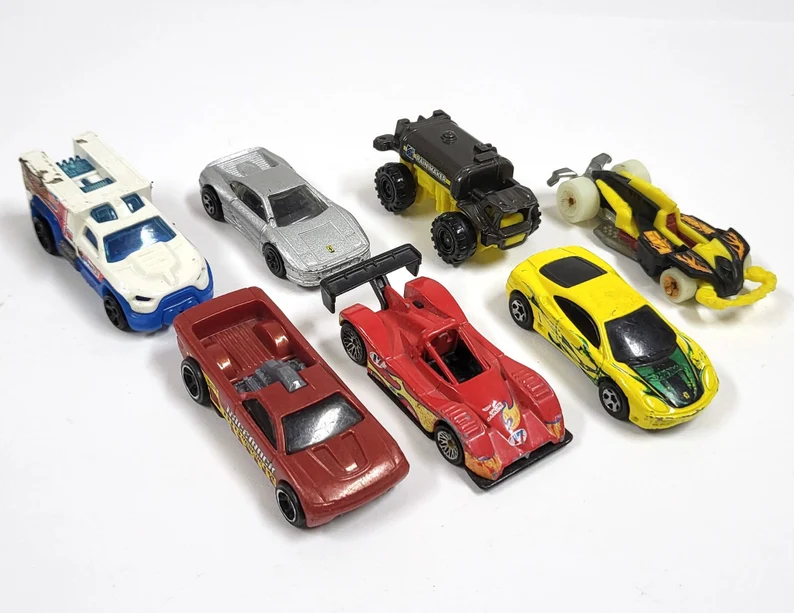
Hot Wheels has transcended its role as a toy brand. It has influenced:
For many adults today, Hot Wheels was their first introduction to car culture. For kids, it continues to inspire creativity, engineering curiosity, and competitive fun.
From the “Original 16” to modern high-tech racing systems, Hot Wheels has maintained one core philosophy for over five decades:
Speed. Style. Performance.
And the race is far from over.